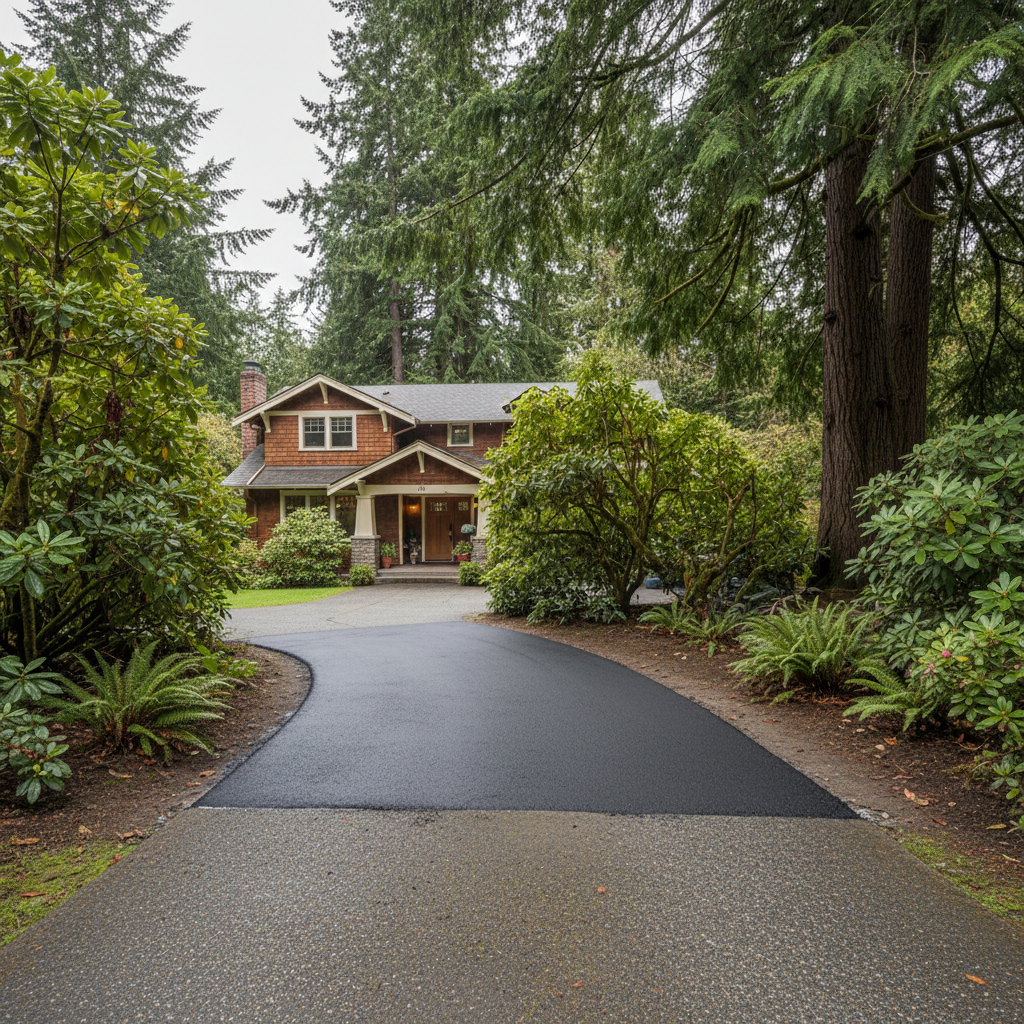
So, you've taken care of that annoying pothole or crack in your driveway or parking lot. Good on you! Patching is a smart move, stopping small problems from turning into huge, expensive ones. But getting it patched is just step one. If you want that repair to actually last, especially with our unique Seattle climate, you've got to give it a little love. Otherwise, you'll be calling us back a lot sooner than you'd like.
Extending Your Patch's Lifespan: It's All About Protection
Think of an asphalt patch like a fresh wound. It needs time to heal and then some protection to keep it from reopening. The main enemies here are water, UV rays, and traffic. Here's how you fight back:
- Sealcoating is Your Best Friend: This is probably the single most important thing you can do. Once your patch has had a good 6-12 months to cure – you don't want to seal too soon – a quality sealcoat acts like sunscreen and a raincoat for your asphalt. It blocks UV degradation, which makes asphalt brittle, and prevents water from seeping into the sub-base, which is a major cause of failure around here. I usually tell folks around the Rainier Valley area, where we see a lot of older, more established properties, that a good sealcoat every 2-3 years after patching can add years to the life of their pavement.
- Proper Drainage is Non-Negotiable: This goes for any pavement, but it's especially critical around patches. If water is pooling on or near your patch, it's going to find its way underneath. And once water gets under there, freezes (even briefly during a cold snap), and thaws, it's game over. Make sure your gutters are clean, downspouts are directed away, and any landscape grading isn't pushing water onto your paved areas.
- Mind the Weight: Fresh patches, especially, need time to consolidate. Try to avoid heavy trucks or equipment driving over a new patch for at least a few days, sometimes longer depending on the depth and type of patch. Even after it's cured, consistent heavy loads in the same spot will stress any asphalt, patched or not.
Regular Maintenance: Your Eyes and Ears on the Ground
You don't need to be an asphalt expert to spot problems early. A quick walk-around every few months, especially after a heavy rain or a cold spell, can save you a lot of grief.
- Keep it Clean: Leaves, dirt, and debris hold moisture against the pavement. Sweep or blow off your paved areas regularly. This also helps you spot issues you might otherwise miss.
- Address Small Cracks Immediately: See a new hairline crack forming near the edge of your patch? Don't ignore it. Crack filling is a cheap, easy fix that prevents water intrusion. This is where most patch failures start – a small crack letting water in, which then expands and contracts with our wet Seattle winters.
- Watch for Oil and Chemical Spills: Gasoline, oil, and other chemicals can break down the asphalt binder. Clean up spills quickly with an absorbent material. If it's a persistent leak, get it fixed.
Warning Signs: When a Small Problem Becomes a Big One
You're looking for changes. Any of these should make you pick up the phone:
- Raveling: This is when the aggregate (the small stones) starts coming loose from the asphalt binder. It looks like the surface is