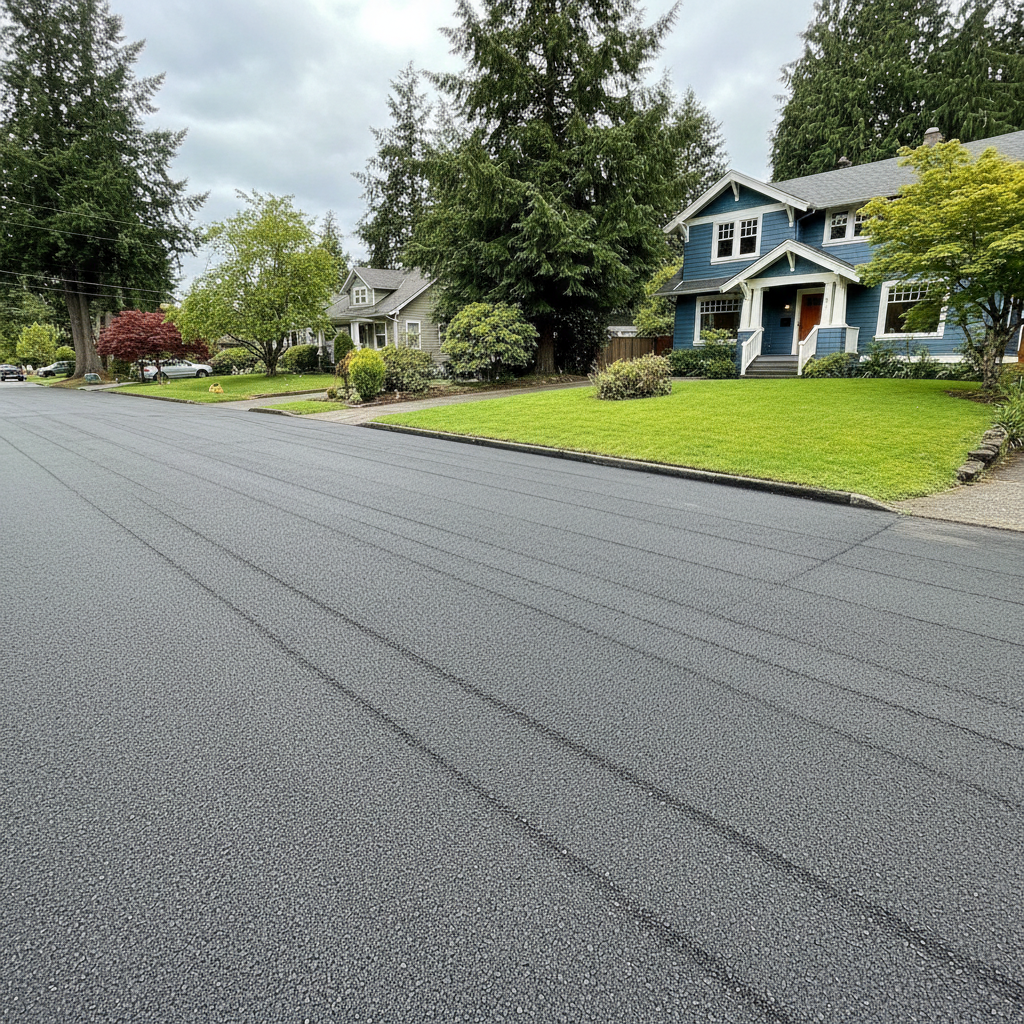
So, you're thinking about a new driveway, maybe a parking lot overhaul, or just fixing up a section of asphalt that's seen better days. You've probably heard terms like 'repaving' or 'resurfacing,' right? But there's another really important step that often gets overlooked, especially here in Seattle: asphalt milling. It's not just some fancy construction term, believe me; it's actually a smart, cost-effective, and even environmentally friendlier way to get a solid, long-lasting surface.
What Even Is Asphalt Milling?
Alright, let's break it down. When I talk about asphalt milling, I'm talking about using a specialized machine to basically shave off the top layer of your existing asphalt. Think of it like a giant planer for your pavement. It grinds up that old, worn-out surface into small, reusable pieces. We're not tearing out the whole thing down to the dirt, mind you, just removing the damaged or uneven top layer.
Why do we do this instead of just paving over the old stuff? Well, there are a few big reasons. First, it keeps the existing grade and drainage exactly where it should be. You certainly don't want to raise your driveway's elevation and suddenly have water pooling against your garage door or overflowing into your neighbor's yard. Second, it gets rid of all those cracks, potholes, and other imperfections from the old surface, giving us a clean, stable base to lay new asphalt on. Paving over cracks is like putting a band-aid on a broken bone – it might look okay for a bit, but those cracks are coming right back through. Third, and this is a huge one for our area, it creates a much stronger bond for the new asphalt layer. That rough, milled surface gives the new hot mix something to really grab onto, making for a more durable pavement that can stand up to our wet Seattle winters.
Why Milling Matters for Seattle Properties
Seattle isn't like, say, Arizona. We've got a unique set of challenges that make milling particularly valuable. Our constant rain, the freeze-thaw cycles (even if they're not as extreme as some places, they still happen), and our often clay-heavy soils can really mess with pavement. When water seeps into cracks and then freezes, it expands, pushing the pavement apart. That's how potholes really get going, isn't it?
Milling addresses this by removing that compromised top layer. It's especially crucial for commercial properties, apartment complexes, or even larger residential driveways in neighborhoods like Queen Anne or Capitol Hill, where you've got a lot of traffic and the original asphalt might be decades old. These older surfaces often have structural issues that a simple overlay won't fix long-term. We're not just making it look good; we're making it perform. Plus, with the Puget Sound's focus on sustainability, using recycled asphalt pavement (RAP) from milling projects is a big win. It reduces waste and often lowers material costs, which is good for your wallet and the environment.
Common Milling Projects We See Around Here
We see milling used on all sorts of projects. Here are a few common ones:
- Parking Lots: This is probably the most frequent. A lot of commercial parking lots around Seattle, from Ballard to West Seattle, are getting milled. They take a beating from heavy vehicles, constant turning, and those inevitable oil drips. Milling allows us to remove the worst damage and lay down a fresh, smooth surface without having to completely rebuild the entire lot.
- Roadways: City and county projects often use milling for road rehabilitation. It's efficient for maintaining consistent road heights, especially where there are curbs, manholes, and utility access points.
- Large Driveways & Private Roads: If you've got a long, winding driveway in a place like the Eastside or even some of the larger properties in North Seattle, milling can be a game-changer. It gets rid of years of wear and tear, tree root damage, and significantly improves drainage.
- Patching & Repair Prep: Sometimes, we'll mill out specific, heavily damaged sections before doing a more extensive patch or overlay. This ensures the repair integrates seamlessly with the surrounding pavement.
Why Local Expertise with Coastal Paving Solutions Counts
You might think asphalt is asphalt, but knowing the local conditions makes a huge difference. I've been doing this work in Seattle for years. I know how our rain affects the sub-base, how the different soil types behave, and what kind of wear and tear our specific traffic patterns inflict. We're not just operating a machine; we're making informed decisions about depth of cut, how to handle the material, and how to prep the site for the best possible outcome.
When you're getting quotes, ask about milling. Don't just accept a simple overlay if your pavement is showing significant distress. A good contractor, like us at Coastal Paving Solutions, will assess your specific situation and recommend the right solution, not just the easiest or cheapest one upfront. Doing it right the first time with proper milling can save you a ton of headaches and money down the road. It's about building a foundation that lasts, especially with Seattle's weather trying its best to break it down.