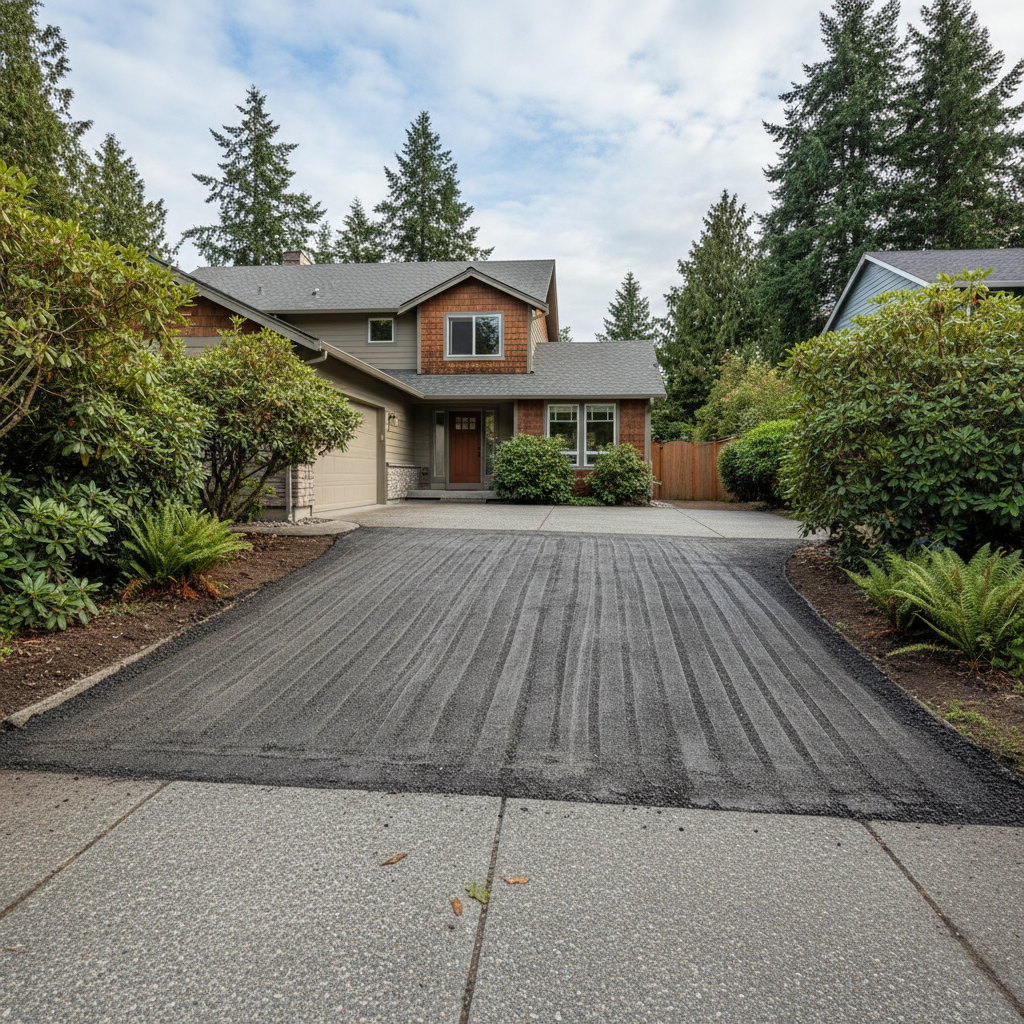
You're looking at your cracked, uneven asphalt driveway, and you've heard about asphalt milling as a smart way to fix it up without a full tear-out. That's a good start. Milling can be a fantastic solution, saving you money and time compared to a complete replacement. But I've seen plenty of homeowners in Seattle make some pretty common mistakes that turn a straightforward project into a real headache. Let's talk about what to watch out for.
Not Getting Clear on the 'Why'
This might sound basic, but it's crucial. Why are you milling? Is it just to smooth out some bumps for an overlay, or are you trying to fix drainage issues? Maybe you're lowering the grade to meet a new garage door threshold. Your 'why' dictates the depth of the mill, the type of equipment needed, and even the subsequent paving plan. If you're not clear, you can bet the contractor won't be either, and that's where miscommunications start. I've seen folks assume a simple mill would fix a major pooling problem, only to find out they needed a more complex grade adjustment. Be specific about your goals from the get-go.
Ignoring the Sub-Base Condition
This is probably the biggest mistake I see. People focus so much on the surface, they forget what's underneath. Milling removes the top layer of asphalt, exposing the aggregate base. If that base is soft, saturated, or unstable, milling won't solve your underlying problems. In Seattle, with our frequent rains and sometimes clay-heavy soils, a compromised sub-base is a real concern. You might mill off the old asphalt, only to find a squishy mess that needs significant repair before you can even think about paving. A good contractor will assess your sub-base during the quote process. If they don't, that's a red flag. You don't want to pay for milling only to discover you need another expensive step to fix the foundation.
Choosing the Cheapest Bid Without Asking Questions
Look, I get it. Everyone wants a good deal. But when it comes to asphalt work, the cheapest bid often comes with hidden costs or shortcuts. A low bid might mean they're cutting corners on equipment, not carrying proper insurance, or planning to use inferior materials for the subsequent paving. Ask questions: What's included in the milling process? How will they manage debris? What's their plan for the sub-base once it's exposed? Do they have references? Are they licensed and insured for this type of work in Washington State? Coastal Paving Solutions isn't always the cheapest, but we're transparent about what you're paying for and why. Don't be afraid to ask for a detailed breakdown.
Underestimating Debris Removal and Disposal
Milling creates a lot of asphalt chunks, called millings or RAP (reclaimed asphalt pavement). These aren't just going to disappear. Some contractors might offer to leave them for you to use as fill, which can be fine if you have a plan for them. But if you don't, you'll be stuck with a mountain of asphalt. Make sure your quote explicitly states how the millings will be handled. Will they be hauled away? Is that cost included? Disposal fees can add up, especially for larger driveways. Don't let this be an unexpected expense.
Not Considering Drainage Post-Milling
You've milled, great. Now you have a lower surface. What happens when it rains? If your original driveway had drainage issues, milling might temporarily make them worse, especially if you're waiting a few days for the new asphalt. Water can pool in the milled surface, potentially softening your exposed sub-base. A good contractor will discuss temporary drainage solutions or advise on timing to minimize exposure. This is especially important in places like West Seattle or the Highlands where driveways can have significant slopes and water runoff is a constant consideration.
Hiring a Jack-of-All-Trades, Master-of-None
Some general contractors or landscapers might offer milling services as part of a larger project. While they might be great at other things, asphalt milling is a specialized job. It requires specific, heavy equipment and operators who know how to use it to achieve a consistent depth and proper grade. You want someone who does this day in and day out, not someone who's just dabbling. An inexperienced crew can leave you with an uneven surface that's harder to pave correctly later, or even damage your property.
Milling is a smart choice for many driveways, but you've got to go into it with your eyes open. Ask the right questions, understand what you're getting, and don't be afraid to walk away from a contractor who can't give you clear, confident answers. Your driveway is a big investment; make sure it's done right.