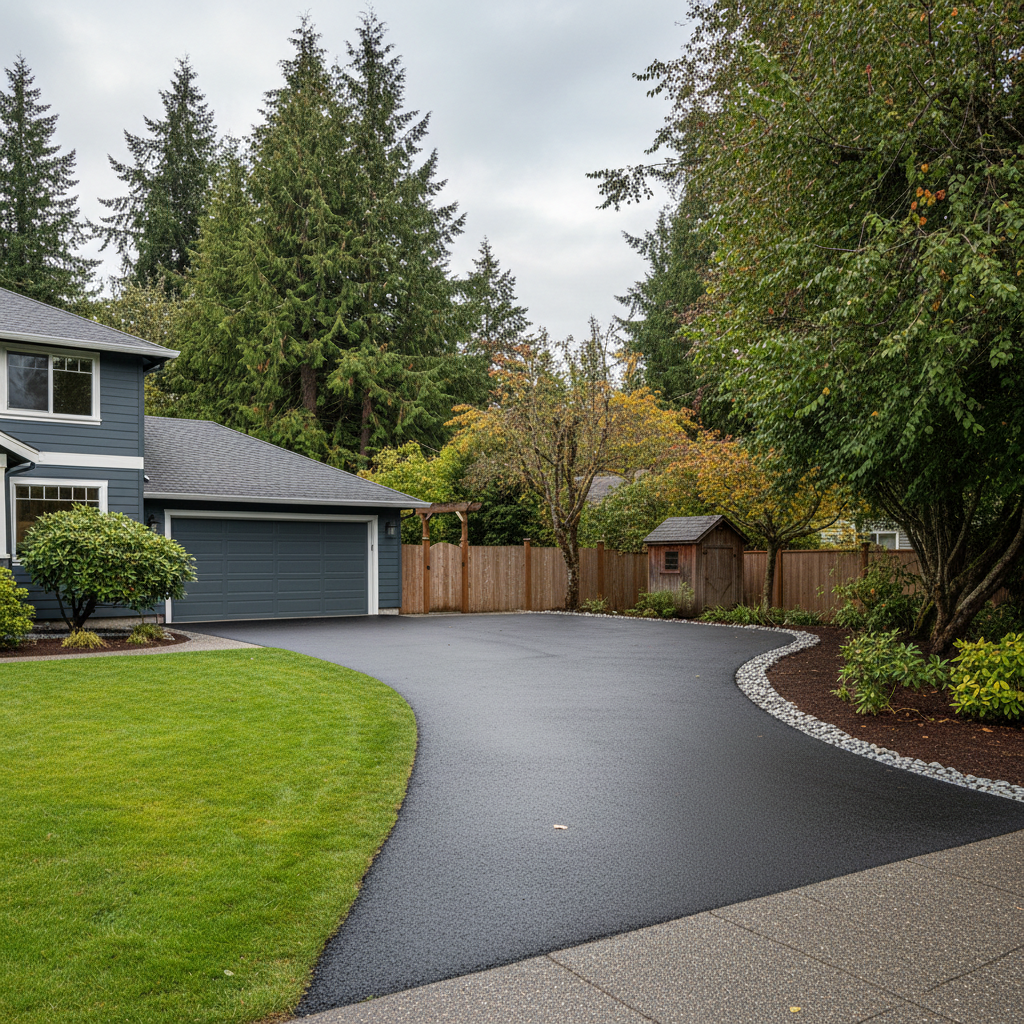
You've got an asphalt driveway, or you're thinking about getting one. Great choice for durability and value, especially around here. But living in Seattle, you know our weather isn't exactly 'standard.' That means you can't just pave any old time, and you need to think about protecting your investment year-round.
When's the Best Time to Pave in Seattle?
This is probably the most common question I get. Everyone wants their driveway done yesterday, but with asphalt, timing is everything. You're looking for a sweet spot, and in Seattle, that usually means late spring through early fall.
Why then? Asphalt needs warm, dry conditions to cure properly. When we're laying down hot asphalt, the base needs to be stable, and the air temperature plays a huge role in how it compacts and sets. If it's too cold, the asphalt cools too quickly, making it harder to get a good, dense compaction. That leads to a weaker surface, more prone to cracking and deterioration down the road.
Think about it: June, July, August, and even into September are your prime months. We get those longer, drier stretches, and the ground has had a chance to really dry out after our typical long, wet winter. You want the sub-base (the dirt and gravel underneath) to be as dry as possible. If it's saturated, it won't provide the stable foundation your new asphalt needs, and you'll see problems like rutting or cracking much sooner.
Weather Conditions That Matter (and Don't)
People often worry about rain, and yes, heavy rain during installation is a no-go. It cools the asphalt too fast and can compromise the bond. But it's not just about the rain falling on the day of the job.
- Temperature: This is huge. We like to see consistent temperatures above 50°F, ideally closer to 60-70°F, for a few days before, during, and after paving. This allows the asphalt to remain pliable for proper compaction and then cure slowly and effectively.
- Ground Moisture: As I mentioned, a dry sub-base is critical. If we've had weeks of typical Seattle drizzle, especially in neighborhoods with clay-heavy soil like parts of West Seattle or Beacon Hill, we might need to wait for things to dry out. Paving over wet ground is asking for trouble.
- Humidity: Less of a direct impact than temperature or ground moisture, but extremely high humidity can slow down the curing process slightly. It's usually not a deal-breaker here, though.
- Light Rain vs. Downpour: A very light drizzle might be manageable in some stages, but any significant rain means we stop. Period. It's not worth compromising the quality of your driveway.
So, when you're scheduling, be prepared for a little flexibility. We're always watching the forecast, and sometimes, even in summer, a surprise downpour can push things back a day or two. It's all about ensuring the job is done right.
Protecting Your Asphalt Investment Year-Round
Once your driveway is in, you want it to last. Here's how to protect it from our unique Seattle climate:
Sealcoating: Your Driveway's Sunscreen and Raincoat
This is probably the single most important thing you can do. Sealcoating every 2-3 years (depending on traffic and sun exposure) protects your asphalt from the elements. Our constant rain and cloudy days might make you think UV isn't an issue, but it is. Sunlight still breaks down the asphalt binder over time. More importantly, sealcoat creates a barrier against water penetration, which is a big deal here.
Water is asphalt's enemy. It seeps into tiny cracks, and when we get those freezing temperatures (even if it's just for a few nights), that water expands, making cracks bigger. Sealcoating prevents this.
Drainage, Drainage, Drainage
Make sure water isn't pooling on your driveway. If you've got low spots, address them. Proper drainage away from the house and off the driveway prevents water from sitting and slowly eroding the surface or seeping into the base. If you see puddles forming after a rain, that's a red flag.
Mind the Heavy Loads
Try not to park heavy RVs or equipment on your driveway for extended periods, especially during hot weather. Asphalt can soften slightly in the heat, and heavy, stationary loads can cause depressions or ruts.
Address Cracks Early
Even with the best sealcoating, small cracks can appear. Don't ignore them. Fill them promptly with an asphalt crack filler. This stops water from getting in and expanding, preventing bigger, more expensive problems down the line. It's like patching a small hole in your roof before it becomes a major leak.
At Coastal Paving Solutions, we've seen it all when it comes to Seattle driveways. We know what works and what doesn't in our specific environment. Taking these steps will help your asphalt driveway look good and last for decades, saving you money and headaches in the long run.