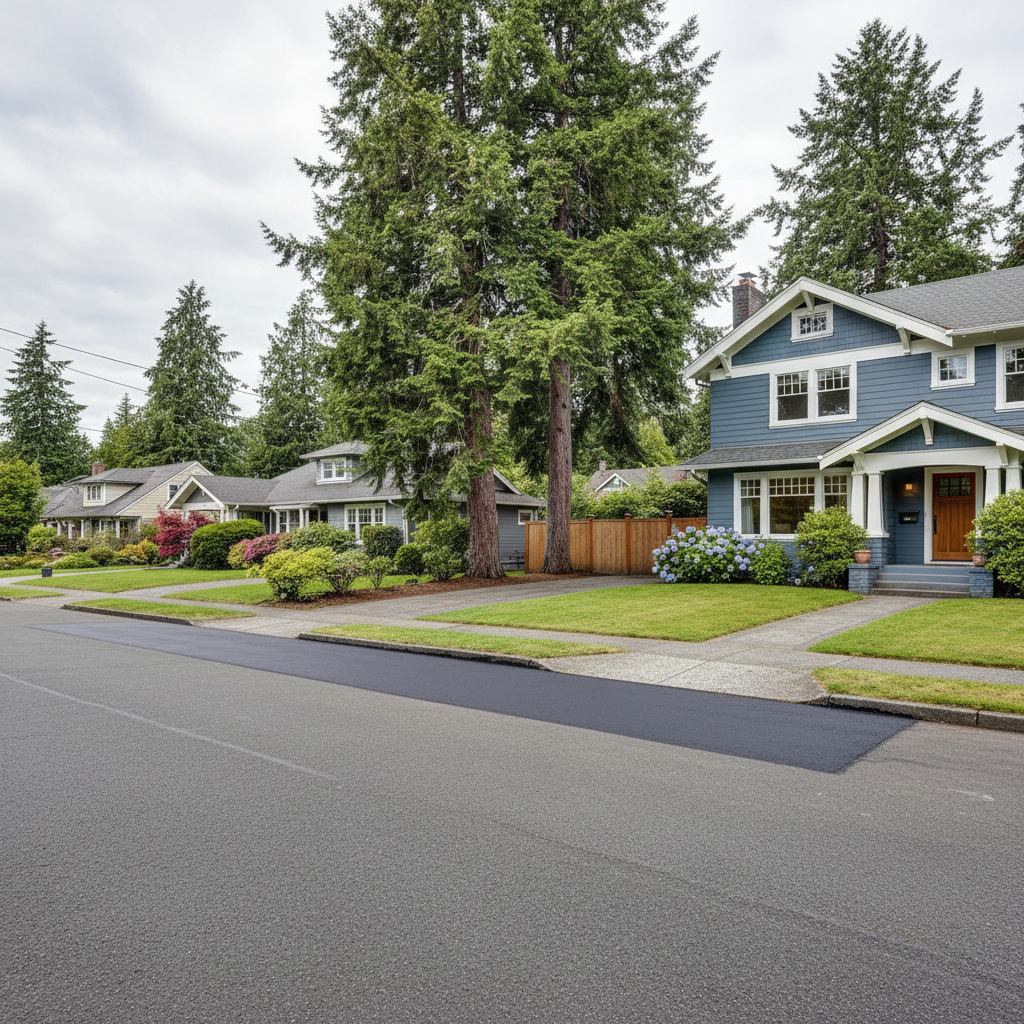
You've seen them. We all have. Those craters in the road, the cracks spiderwebbing across a parking lot, or the uneven patches that make you spill your coffee. In Seattle, asphalt damage isn't just an eyesore; it's a constant battle against our unique climate and heavy use. And when it comes to fixing it, patching isn't just a quick fix – it's a vital part of pavement maintenance, especially around here.
Why Seattle's Asphalt Takes a Beating
Our weather is a big part of it. We get a lot of rain, as you know. That constant moisture seeps into tiny cracks in the asphalt. Then, when temperatures drop, that water freezes, expands, and turns those small cracks into big, ugly potholes. It's called the freeze-thaw cycle, and it's a real killer for pavement. We don't get the extreme cold of, say, Minnesota, but our consistent dampness combined with those occasional freezing nights does a number on asphalt.
Then there's the traffic. From the bustling streets of downtown to the busy retail centers in Northgate or the industrial areas in SODO, our roads and parking lots see a ton of vehicles. Heavy loads, constant turning, and stop-and-go traffic all put immense stress on the asphalt. Over time, that stress causes fatigue, leading to cracks and deterioration.
Even our soil conditions play a role. Seattle's often clay-rich or glacial till soils can have varying drainage characteristics. If water isn't properly managed beneath the pavement, it can weaken the sub-base, leading to premature failure of the asphalt surface above. It's all connected.
Common Patching Projects We See
We handle all sorts of patching jobs. You'd be surprised how varied they are:
- Pothole Repair: This is the most obvious one. A deep pothole isn't just annoying; it can damage vehicles and even cause accidents. We see these everywhere, from residential driveways in West Seattle to commercial lots in Bellevue.
- Utility Cuts: When a utility company digs up a section of pavement to access pipes or cables, they'll often do a temporary patch. We come in to do a permanent, seamless repair that matches the existing surface.
- Alligator Cracking: This looks like a series of interconnected cracks, resembling alligator skin. It's a sign of base failure and needs to be addressed before it spreads.
- Edge Repair: The edges of driveways and parking lots often take a beating, crumbling away over time. We can cut out and replace these damaged sections.
- Trip Hazards: Uneven asphalt, often caused by tree roots or settling, creates dangerous trip hazards for pedestrians. We fix these to keep people safe and help businesses avoid liability issues.
For businesses, especially those with high foot traffic like the shops in Ballard or Capitol Hill, keeping your parking lot and walkways smooth and safe isn't just about aesthetics; it's about customer experience and liability. No one wants a customer tripping over a pothole on their way into your store.
Why Local Expertise Matters for Asphalt Patching
You might think asphalt patching is straightforward, but doing it right, especially here in Seattle, requires a specific approach. It's not just about dumping some asphalt in a hole. You need to understand the underlying issues.
For instance, if you don't properly prepare the area – cleaning out debris, cutting square edges, and applying a tack coat – that patch won't last. It'll fail quickly, and you'll be back to square one. We've seen plenty of shoddy patch jobs that just don't hold up to our wet winters.
At Coastal Paving Solutions, we know what works in Seattle. We understand the local soil, the weather patterns, and the specific challenges our infrastructure faces. We use the right materials and techniques to ensure patches are durable and blend seamlessly with the existing pavement. We're not just fixing a hole; we're providing a long-term solution that stands up to our unique environment.
Choosing a local contractor means you're getting someone who's familiar with these conditions and committed to quality work that lasts. We're part of this community, and we take pride in keeping our local roads and properties in good shape. Don't wait until a small crack becomes a major problem. Get it patched right the first time.