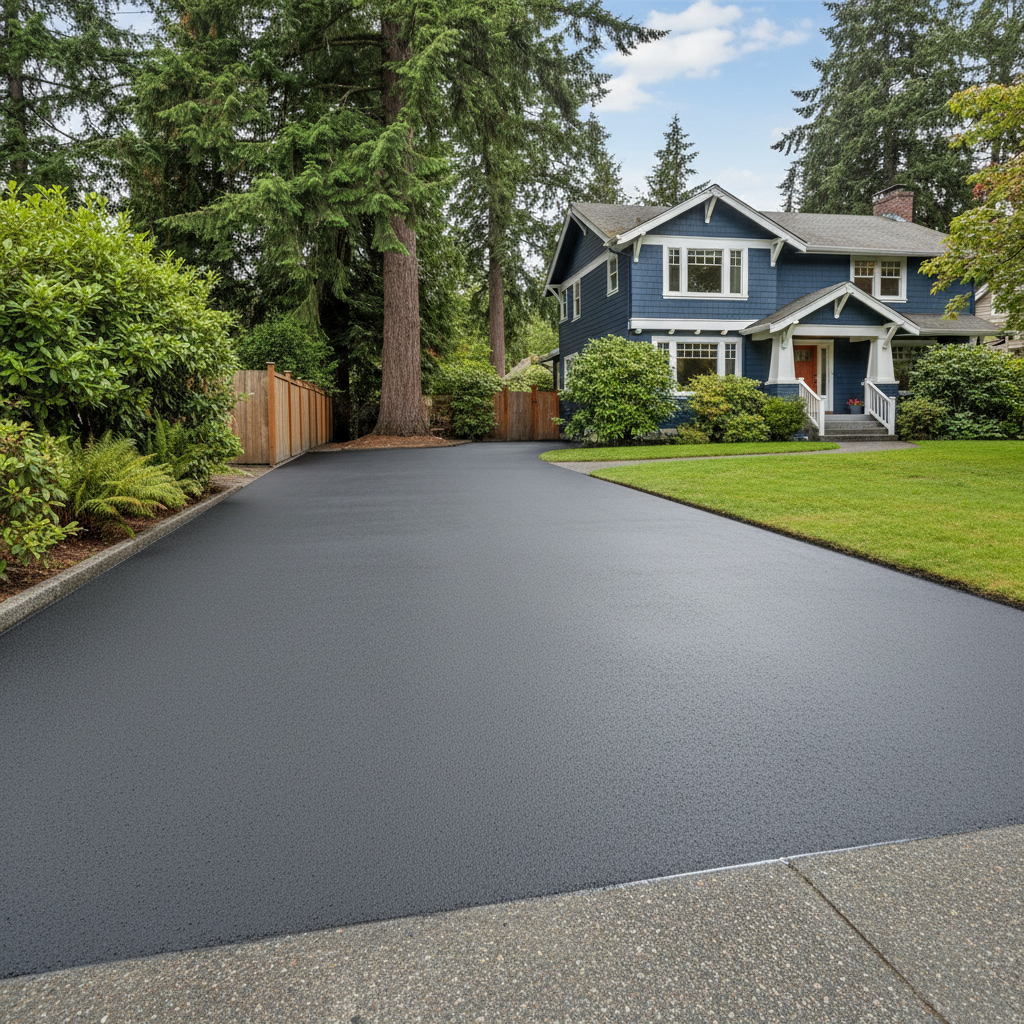
So, you've just had your asphalt slurry coated, or maybe you're thinking about it. Smart move. Slurry coating is a fantastic way to protect your asphalt, make it last longer, and give it that fresh, dark look. But it's not something you can just do and forget about, especially not here in Seattle. Our wet, mild winters and those surprisingly warm summers can really beat up pavement.
I've seen countless driveways and parking lots over the years, and you know what? The ones that really hold up aren't always the ones that got the best initial job. Nope, they're the ones that actually get taken care of. It's like anything else; a little bit of maintenance goes a long way. So, let's chat about how to keep that slurry coat doing its job for as long as possible, shall we?
Making Your Slurry Coat Last Longer
The biggest thing you can do to extend your slurry coat's life starts right after we apply it. You absolutely have to let it cure properly. We'll give you specific instructions, but generally, that means staying off it for a good 24 to 48 hours. Sometimes even longer if it's cool and damp, which, let's be honest, is pretty often around here. Driving on it too soon? That's just asking for trouble – tire marks, scuffs, maybe even tearing up the fresh surface. Seriously, it's not worth the rush.
Once it's cured, start thinking about what you're putting on it. Heavy vehicles, sharp turns, and constant oil drips are all enemies of your slurry coat. If you own a commercial property, maybe consider setting aside specific areas for heavy truck traffic or deliveries that aren't slurry-coated. Or, at the very least, be ready for more frequent touch-ups in those spots. For residential driveways, try to avoid those sudden, sharp turns of your steering wheel while your car is sitting still – that grinds the tires right into the surface and can wear it down much faster.
Another huge one is drainage. Water is, without a doubt, asphalt's arch-nemesis. If you've got standing water on your paved surface, it's going to break down the slurry coat, and eventually, the asphalt underneath, way faster. Make sure your gutters are clean, downspouts are pointing away from the pavement, and any low spots where water collects get fixed. We often see issues in places like West Seattle where older homes might have less-than-ideal drainage, and that's usually where pavement problems pop up first.
Regular Maintenance: Your Pavement's Best Friend
Keeping a slurry-coated surface in good shape isn't rocket science, but it does mean consistent work. Here's what you should be doing:
- Keep it clean: Sweep or blow off leaves, dirt, and debris regularly. Organic stuff, especially when it's wet, holds moisture against the surface. That can lead to moss or algae, which not only degrades the coating but also makes it slippery.
- Address spills immediately: Oil, gas, antifreeze – these chemicals are super harsh on asphalt and slurry coats. If you spill something, clean it up right away with an absorbent material and a mild detergent. Don't let it just sit there and soak in.
- Watch for weeds: Weeds pushing through cracks usually signal bigger problems underneath, but even small weeds on the surface can hold moisture and create tiny weak points. Pull them out or use a weed killer made for paved surfaces.
- Annual inspection: Take a walk around your property once a year, ideally in the spring after the worst of the winter weather has passed. Look for any changes, cracks, or worn spots. Catching things early really saves you money.
Warning Signs of Trouble
You don't need to be an asphalt expert to spot problems, you know. Your slurry coat will actually tell you when it needs attention. Here are some things to look out for:
- Fading or graying: The whole point of slurry is that dark, rich black finish. If large areas are starting to look gray or faded, it means the top layer is getting thin and losing its protective qualities.
- Fine hairline cracks: A few tiny cracks might be normal, but if you see a whole network of fine cracks, often called 'alligator cracking,' that's a sign the asphalt underneath is failing. The slurry coat just can't hold it together much longer.
- Potholes or depressions: This is a clear sign of significant structural failure underneath. The slurry coat isn't designed to fix these; it just covers them up temporarily.
- Loose aggregate: If you're seeing small stones or bits of asphalt coming loose from the surface, especially after it rains, it means the binder in the slurry or the asphalt itself is breaking down.
- Peeling or flaking: This can happen if the slurry wasn't put down correctly, or if there was an issue with the surface it was applied to. Basically, the coating isn't sticking properly.
When to Call a Professional
You can definitely handle the sweeping and the spill clean-up, but some jobs are just better left to the pros. You should absolutely call Coastal Paving Solutions if you see:
- Extensive cracking: If those hairline cracks are spreading or getting wider, or if you start seeing larger, structural cracks. We can assess if crack filling or a more extensive repair is needed before another slurry coat.
- Potholes or significant depressions: These need proper patching and compaction, not just another layer of slurry.
- Drainage issues: If water is constantly pooling on your pavement, we can look at solutions like adjusting the grading or putting in drains. This is super important for preventing future damage.
- Widespread fading or wear: If your slurry coat is looking tired across a big area, it might be time for a fresh application. We can check out the existing surface and recommend the best next steps.
- Any signs of underlying asphalt failure: If the base layer is compromised, a new slurry coat won't fix it. You need an expert to figure out the problem and recommend the right repair, whether that's patching, milling, or even a full replacement.
Don't wait until a small problem turns into a huge, expensive headache. A little proactive maintenance and knowing when to call in the cavalry will keep your slurry-coated surfaces looking great and performing well for years to come.